“Pope Gregory XIII therefore authorised a corrected calendar. Ten dates were removed: in the first countries to adopt it, Thursday, 4 October 1582 was followed by Friday, 15 October 1582. The rules governing leap years were also adjusted to prevent the same drift from building up again.”
Who Changed the Calendar—and Why?
The calendar reform most often connected with the story of April Fool’s Day was introduced by Pope Gregory XIII in 1582.
Europe had been using the Julian calendar, introduced under Julius Caesar in 45 BC. The Julian calendar treated a year as slightly longer than the Earth’s actual journey around the Sun. The difference was only about eleven minutes each year, but over many centuries those minutes accumulated and the calendar gradually drifted away from the seasons.
By the sixteenth century, the date of the spring equinox had moved roughly ten days from where church authorities expected it to fall. This mattered particularly to the Catholic Church because the equinox was used when calculating the annual date of Easter.
Pope Gregory XIII therefore authorised a corrected calendar. Ten dates were removed: in the first countries to adopt it, Thursday, 4 October 1582 was followed by Friday, 15 October 1582. The rules governing leap years were also adjusted to prevent the same drift from building up again.
The new system became known as the Gregorian calendar.
However, the popular claim that Pope Gregory personally moved New Year’s Day from April 1 to January 1 is too simple. Different European regions had celebrated the beginning of the year on different dates, including Christmas Day, March 25, Easter and January 1.
In France, King Charles IX officially ordered that the year should begin on January 1 through the Edict of Roussillon in 1564—eighteen years before the Gregorian calendar was introduced.
According to one popular theory, people who continued celebrating the old springtime New Year, or who had not heard about the change, were mocked and called “April fools.”
It is a powerful story, but historians do not regard it as proven fact. References to April fooling existed before the Gregorian reform, so the true origin of April Fool’s Day remains uncertain.
What is certain is that powerful institutions changed the way ordinary people measured their days, months and years—and not everybody received, understood or accepted the change at the same time.
Pope Gregory’s stated reason was calendar accuracy and the correct calculation of Easter, not simply to make people celebrate New Year in January. The “people who resisted became April fools” explanation is an interesting theory rather than established history
APRIL FOOL
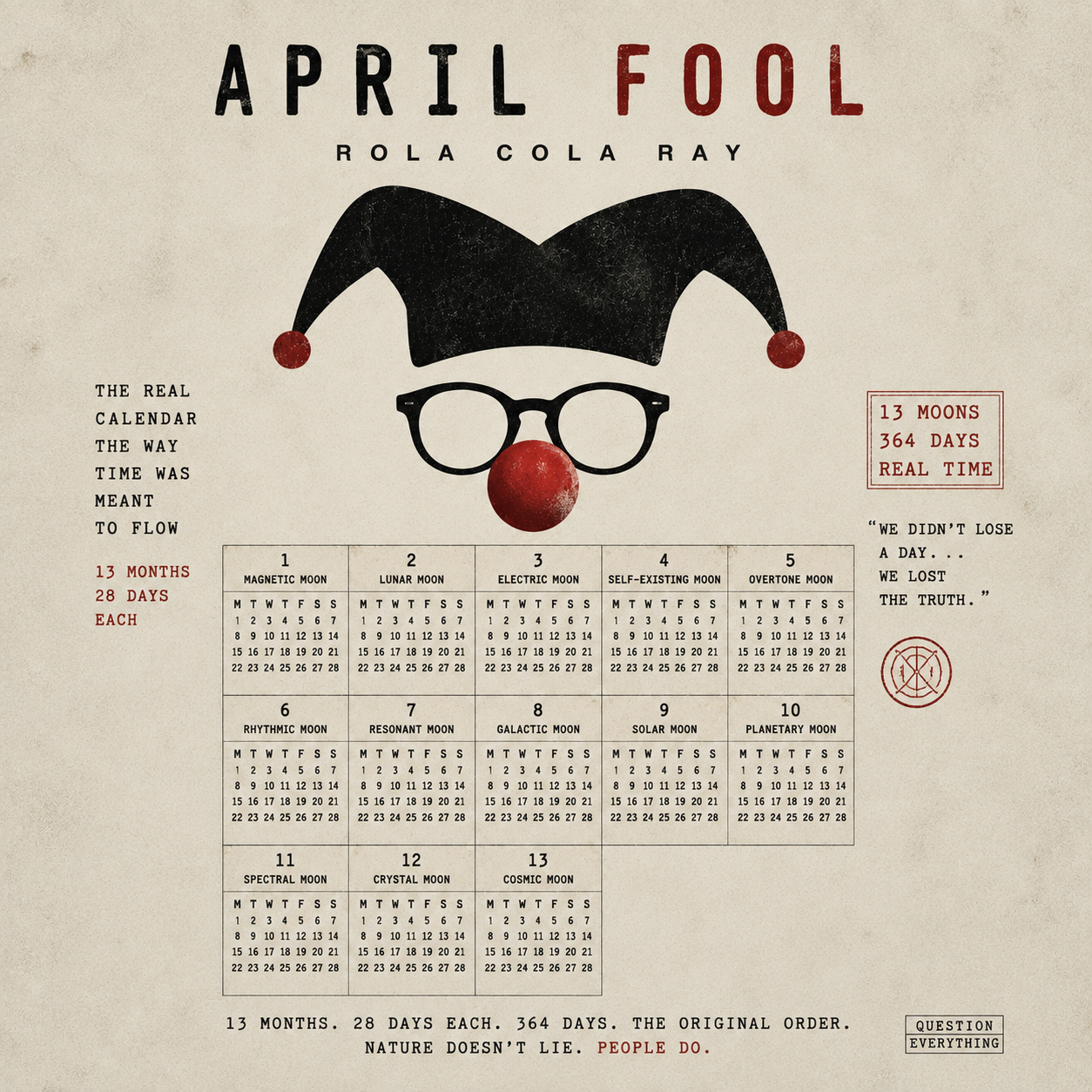
CALENDAR FOOL